Call Now: +8801790-270066 Follow us on FAQ Help Sign In Deals 0 0 Buy One Get One Brands A B C D E F G H I J K L M N O P Q R S T U V W X Y Z # Blog Download APP on Play Store All Categories
Kaysan Owens, a seasoned healthcare professional, the center provides evidence-based strategies to support your health and wellness journey
She earned her medical degree from Vanderbilt University School of Medicine

During GLP-1 treatment , contact your GP if you experience: Severe or persistent abdominal pain , particularly if different in character from your usual IBS symptoms or if radiating to your back (which may indicate pancreatitisstop the medication and seek urgent medical attention) Significant worsening of diarrhoea or constipation that doesn't improve with standard measures Persistent nausea or vomiting affecting your ability to maintain adequate nutrition and hydration New symptoms such as rectal bleeding, unintentional weight loss (beyond expected therapeutic effect), or nocturnal symptoms waking you from sleep Difficulty distinguishing between IBS symptoms and medication side effects Sudden pain in the upper right abdomen, fever, or yellowing of the skin/eyes (possible gallbladder diseaseseek urgent medical attention) Red flag symptoms requiring urgent medical attention include: Severe, unremitting abdominal pain Rectal bleeding or black, tarry stools Unexplained weight loss Persistent vomiting with inability to keep fluids down Signs of dehydration Your GP may arrange appropriate investigations such as blood tests (full blood count, inflammatory markers, coeliac serology) or faecal calprotectin testing to distinguish IBS from inflammatory bowel disease where appropriate

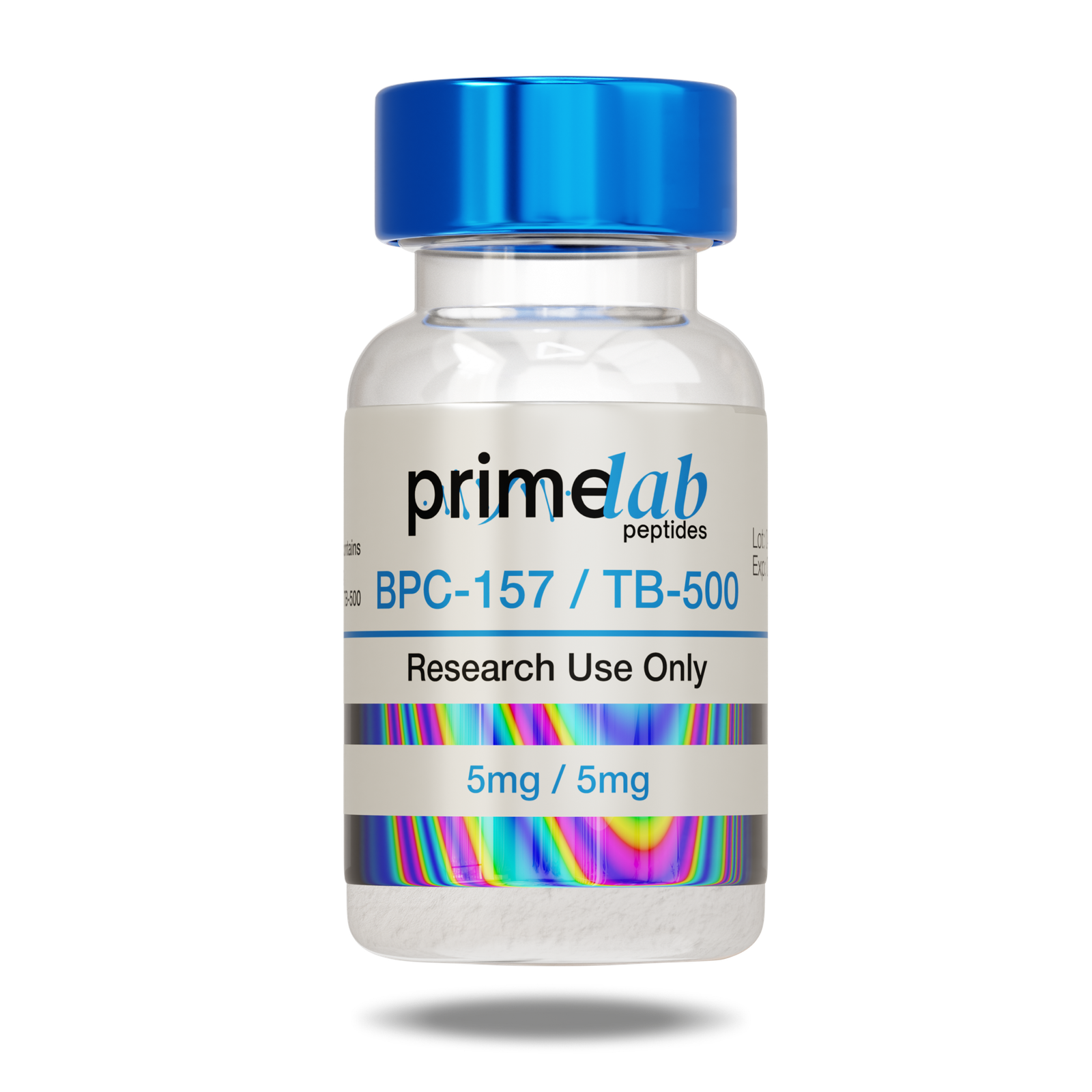
Typically, a BPC 157 dosage ranges from 1-10 mcg per kilogram of body weight, which you should inject intramuscularly once or twice daily










:max_bytes(150000):strip_icc()/GettyImages-1299286851-18ab6e02931940ad963dda93851b6dc7.jpg)